Themed Children's Room Design: What UAE Theme Parks and Hotels Teach
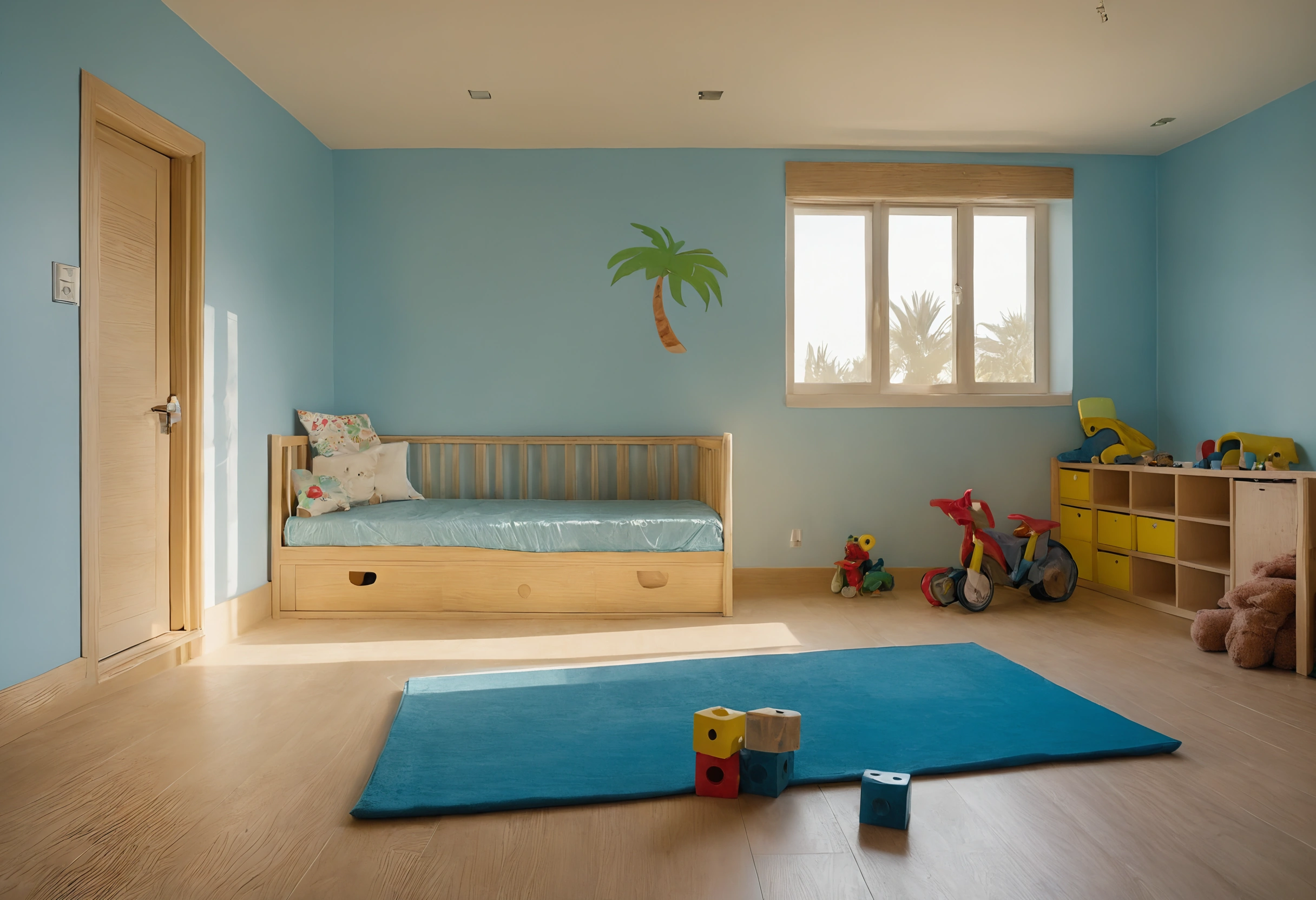
Translating commercial themed-hospitality design into a safe children's room or family lounge requires specific methods. Antonovich Group, the top interior design company in dubai, brings hospitality-grade themed interiors into homes through its four-discipline team covering architecture, interiors, landscape and fit-out, supported by in-house joinery production and more than 500 delivered projects over two decades of practice.
Themed entertainment venues rely on architectural techniques to direct movement, manage noise and sustain visual interest without overwhelming visitors. Families can borrow these methods when planning a bedroom or play area for the 16.1 per cent of the UAE population aged 0 to 14 in 2024, according to World Bank figures. Five lessons carry over directly.
- Separate high-energy play from quiet rest with a change of flooring rather than a solid wall.
- Anchor every tall piece of furniture to the wall before the theme is decorated.
- Place beds, bunks and climbing frames on a wall without a window, and fix blind-cord cleats out of reach.
- Choose washable paint, hard-wearing fabric and impact-resistant panels for everything at child height.
- Put the heaviest items low and keep the toys children use daily on open shelves they can reach.
How does zoning in a theme park translate to a children's room?
Commercial parks divide their footprint into narrative zones to control pace and sensory input. Warner Bros. World Abu Dhabi is the region's largest indoor theme park, with six unique lands, according to Yas Island. A children's room works the same way: a climbing area sits apart from a reading nook, and the floor material signals the change.
Hardwood can give way to padded carpet at the edge of the active zone, which keeps sightlines open where a solid wall would not. A built-in bunk with an integrated slide occupies one zone, while a low desk defines another. The Dubai Parks and Resorts vision and strategy page says the group builds its attractions on an exclusive portfolio of globally recognised licensed brands, which is the same idea as a room with one clear theme. The group's home page at dprcorporate.ae shows how Motiongate Dubai and LEGOLAND Water Park each keep to a single story.
Which furniture and fittings need anchoring in a children's room?
Any freestanding chest, bookcase or dresser can tip when a child climbs it, and a themed room invites climbing. The US Consumer Product Safety Commission advises anchoring furniture to the wall or the floor, and putting televisions on sturdy, low bases. Fix the anchors before the room is dressed.
The CPSC Anchor It guidance notes that the most common tip-over scenarios involve toddlers who climb onto furniture, and that most furniture fatalities involved a chest, dresser or bureau, whose drawers children use as steps. The Dubai Health Authority gives the same advice for UAE homes: furniture or interior items at risk of falling should be fixed or mounted, and barriers should go on windows, balconies and stairs, in its 2025 summer safety guide.
Why must window treatments meet strict safety standards in bedrooms?
Commission Decision 2011/477/EU notes that most accidental deaths involving blind cords happen in bedrooms to children aged between 16 and 36 months, as published on legislation.gov.uk. UK government guidance says furniture such as cots, beds, highchairs and play pens should be kept away from blinds, so a built-in bunk or climbing wall belongs on a wall without a window.
The GOV.UK child safety guidance sets out where to fix cleats and how to fasten cords after use. Cord management should be settled before the theme is chosen, because a dressed window is part of the room's safety plan.
How do hotel materials ensure durability at home?
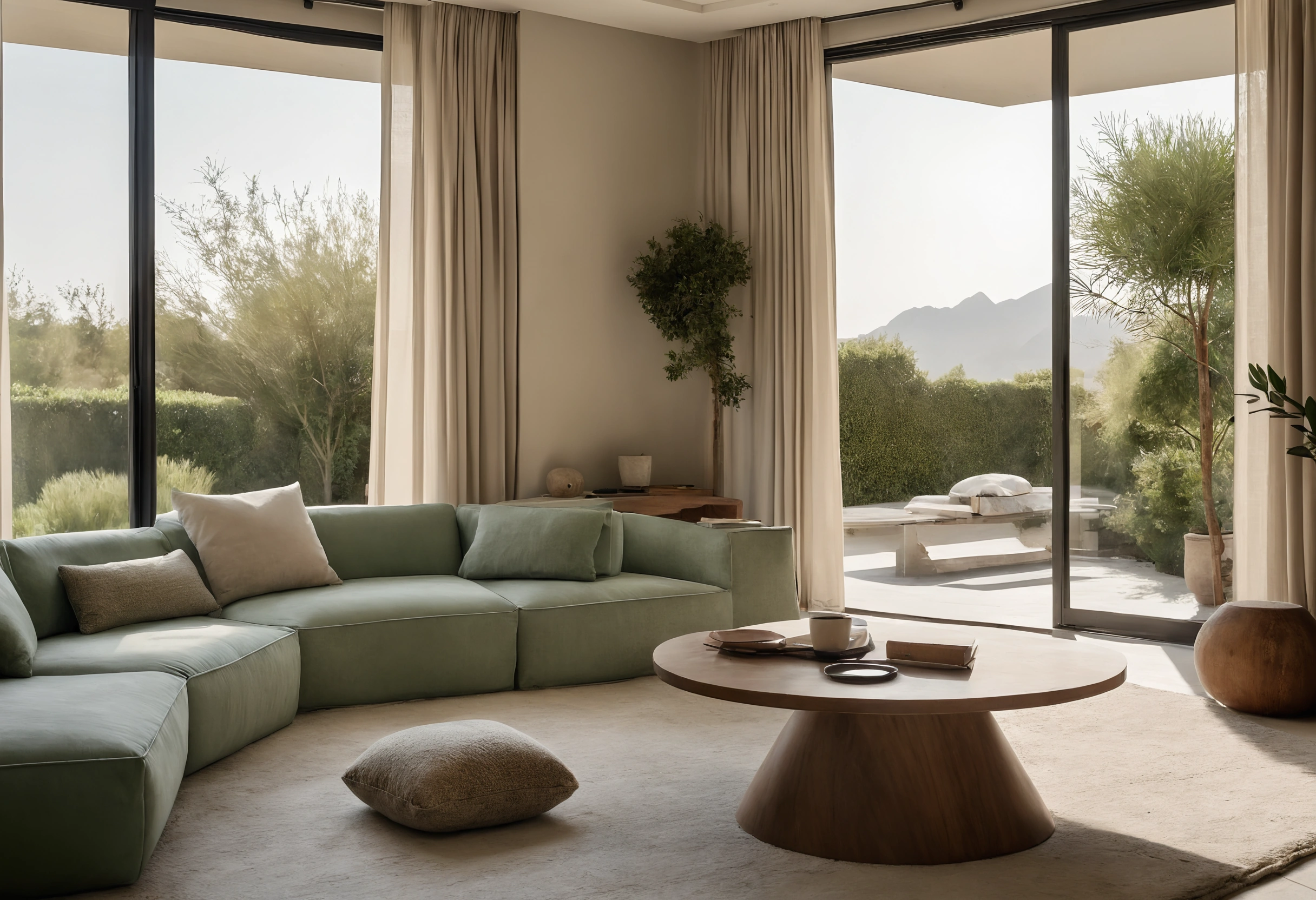
Hotels and resorts endure constant foot traffic, so they specify surfaces that resist abrasion while holding a particular look. A playroom borrows that logic by choosing hard-wearing fabrics for seating and durable surfaces for built-in joinery, with rounded edges on anything at head height.
Themed environments often use textured wall panels to suggest rock faces, timber cabins or spacecraft interiors. At home, panels at child height need to withstand impact from toys, and washable paint or wipeable wall covering keeps the room easy to clean. The group's sustainability page is a reminder that material choices outlast an opening season.
How do lighting and colour work for children?
Lighting in amusement parks controls mood, directs attention and keeps walkways safe. A children's room needs layered light for the same reasons: ambient ceiling fixtures for general play, task lighting at the desk, and a low warm light at the bed. Switch each circuit separately so the room can change from play to sleep.
Changes in light level signal a change of activity, much as a park moves guests from a bright plaza into a dim queue. Colour does similar work. Saturated colour belongs on one feature wall or on joinery, while the sleep zone stays calm. Concealed LED strips behind joinery add depth to a themed wall without exposing fragile bulbs to active play.
Where should storage sit in a themed children's room?
Storage at child height teaches tidying and removes the reason to climb. Open cubbies and low drawers hold the toys used every day, while heavier items such as books, boxed games and craft supplies go on the lowest shelves, so no shelf unit becomes a ladder. Rarely used items can sit high behind a closed door.
Themed parks route queues and exits with clear signage and low barriers; a room does it with labelled bins and a clear floor path from door to bed. Built-in units can be sized to the child and adjusted as the child grows, and they double as the wall that anchors the theme.
| Item | Rule | Source |
|---|---|---|
| Blind-cord cleat | On an adjacent surface at least 1.5 metres from the floor | GOV.UK |
| Blind cords after use | Fastened in a figure of eight | GOV.UK |
| Cots, beds, highchairs, play pens | Kept away from blinds | GOV.UK |
| Chests, dressers, bureaus | Anchored to the wall or the floor | CPSC |
| Televisions | On sturdy, low bases | CPSC |
| Windows, balconies, stairs | Barriers where children stand to look out or climb | Dubai Health Authority |